Macroeconomic challenges
Uneven Global Reserves
Oil & Gas consumption continues to rise to meet energy needs.
Conventional crude oil is extracted primarily by a relatively small number of producing countries. A large portion of reserves consists of unconventional hydrocarbons, located particularly in the U.S. Hydrocarbons remain a major global energy source, influencing industrial production, transportation and consumption. Control over energy resources is a key strategic lever.
OPEC producer countries (e.g., Saudi Arabia, Russia) rely heavily on their oil revenues to finance their public budgets. Importing countries are vulnerable to price fluctuations, which impact their trade balance and inflation.
Oil & Gas prices are highly sensitive to geopolitical tensions, OPEC decisions, and global demand. Price fluctuations influence investment decisions, potentially creating cycles of expansion and contraction in the sector.
Technological Challenges
Deposits, which are becoming increasingly difficult to access, are the subject of in-depth studies during the exploration phase
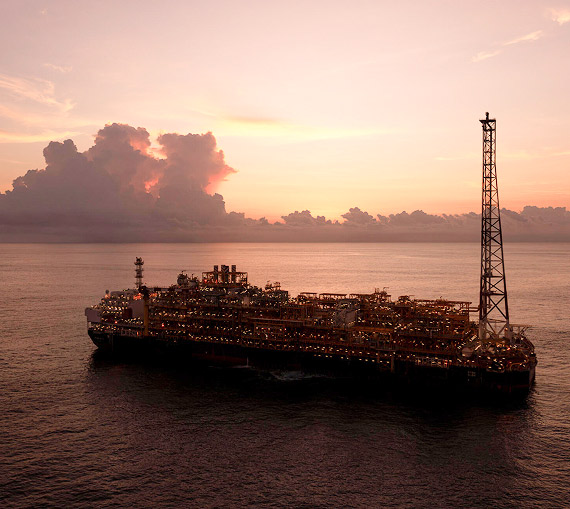
Most production wells are now drilled in extremely challenging environments (deep water, countries isolated from consumption areas, or with no prior development). Companies are focusing on:
- new methods for acquiring and processing geophysical data,
- improving reservoir modeling and simulation tools,
- the development of enhanced recovery technologies.
These technological advances enable companies to increase their productivity in an environment of significant economic and environmental constraints.