Macroeconomic Challenges
Investments, energy security and evolving skills
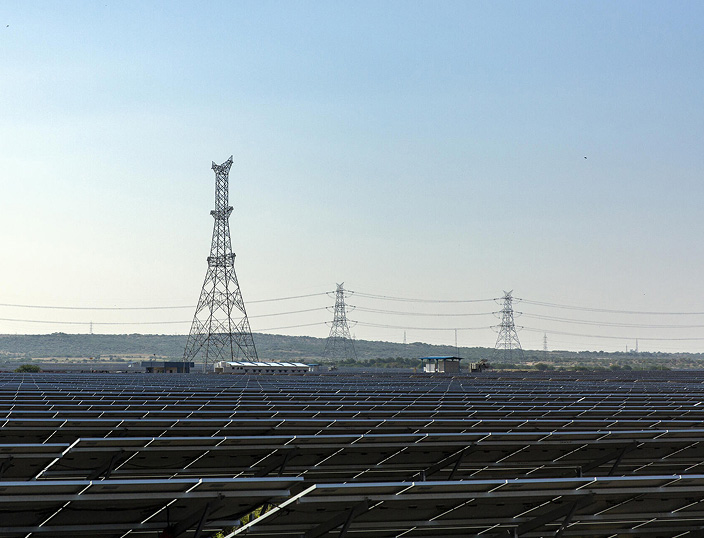
The energy transition poses significant economic challenges. It requires substantial investments in renewable energy and infrastructure, particularly to support the growing electrification of end-use applications but also to develop solutions centered on hydrogen and CCUS, for example.
Energy security is becoming a strategic issue. While renewables help reduce dependence on imports, their intermittent nature complicates their integration and generates short-term costs.
Furthermore, the transformation of the energy sector requires a shift in skills. Although much expertise is transferable, this transition is driving numerous career transitions that require support.
Technological Challenges
Innovation: An Essential Condition for the Transition
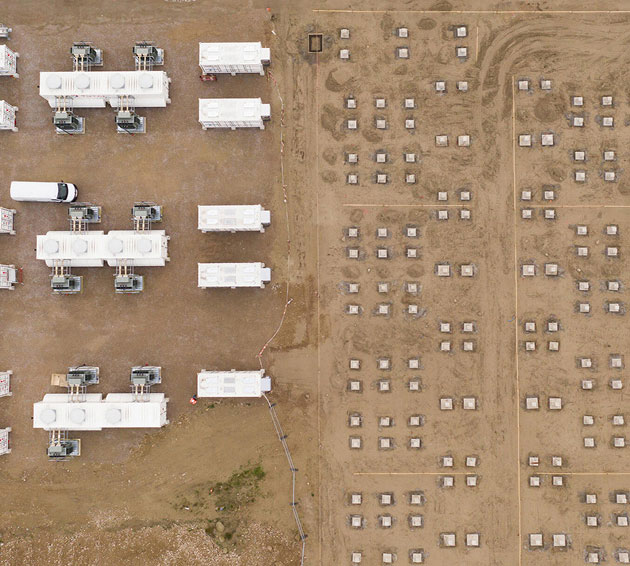
The energy transition relies on major innovations. The intermittent nature of renewable energy sources requires decisive advances in energy storage, particularly through next-generation batteries. Electric grids must be modernized to integrate decentralized sources and optimize demand management using smart technologies.
Among strategic technologies, CO₂ capture and utilization, green hydrogen production, and advanced nuclear reactors are essential for decarbonizing industrial sectors and heavy-duty transportation. These innovations must be deployed rapidly and at competitive costs to ensure their widespread adoption.
The challenge is twofold: improving energy efficiency and ensuring the economic viability of low-carbon solutions, to accelerate the transition to a sustainable energy mix.